Showing posts with label General. Show all posts

Saturday, August 31, 2013

Acheh

Masjid Baiturrahman
Ramadan lepas, aku berkelana ke Acheh bersama saudara Jhaznarul. Ini ziarah kali kedua untuk tahun ini selepas Vietnam. Hujung minggu di Acheh tidaklah sepadat atau sesibuk di Jakarta, Bandung atau Kuala Lumpur. Banda Acheh bukanlah kota metropolis. Malahan kegemilangan Acheh sebagai kota dagangan terkemuka Asia Tenggara sudah lama pudar.

Dalam kitab-kitab atau manuskrip lama Arab, Acheh disebut 'Asyi'. Empayar Acheh diasaskan oleh Sultan Ali Mughayat Syah pada tahun 1514 hingga 1530. Periode ini menyaksikan nasib malang menimpa umat Islam di Asia Tenggara apabila Portugis berjaya menakluki dan menjatuhkan Kesultanan Melayu Melaka. Menurut catatan Shihab al-Din Ahmad Ibn Majid, ketua navigasi ekspedisi Vasco da Gama ke India, keadaan masyarakat Islam di Melaka pada pertengahan kurun ke 15 amatlah menyedihkan. Menurut beliau, amat sukar membezakan umat Islam daripada golongan kuffar kerana rata-rata anggota masyarakat  mengalami kebejatan moral. Lelaki Muslim Melaka berkahwin dengan wanita kafir, arak diminum secara terbuka di pasar-pasar malahan daging anjing turut dimakan oleh umat Islam. Kenyataan ini boleh dibaca dalam buku Syed Muhammad Naquib al-Attas, 'A Commentary on Hujjat as-Siddiq of Nur al-Din Al-Raniri' yang diterbitkan pada tahun 1987. Kerusakan moral masyarakat Islam di Melaka membawa petaka apabila Kesultanan ini diranapkan oleh bala tentera Portugis pada tahun 1511.

Bencana yang dibawa oleh Portugis ini, bagaimanapun membawa hikmah besar terhadap umat Islam. Kejatuhan Melaka menandakan permulaan zaman keemasan Acheh yang mengambil alih kedudukan Melaka sebagai kota pelabuhan dan pusat penyebaran Islam di Asia Tenggara. Menurut Shaykh Zainuddin Malibari al-Makhdum dalam kitab 'Tuhfah al-Mujahidin', Sultan Ali Mughayat Syah adalah salah seorang pemerintah Islam yang berani melakukan penentangan terhadap kuasa Portugis selain Zamorin di India. Baginda menakluk hampir keseluruhan Sumatera termasuk Pedir dan Pasai, sekaligus menahan perluasan kuasa Portugis di Nusantara.

Maqam-maqam Sultan Acheh dan kerabat diraja

Usaha -usaha untuk menekan kuasa Portugis masih berterusan hinggalah pada zaman Sultan Iskandar Muda pada tahun 1607-1637. Baginda menakluk Deli (1610), Johor (1613), Pahang (1616), Kedah (1619), Perak (1620) dan Nias (1624). Cubaan baginda untuk merampas Melaka bagaimanapun tidak berjaya pada tahun 1629. Baginda adalah seorang sultan yang 'adil dan soleh serta gemar menyantuni para 'ulama. Bahkan penaklukan wilayah-wilayah yang disebutkan ini bukanlah untuk perluasan kekuasaan semata-mata. Baginda menegakkan pemerintahan dan undang-undang Islam secara bertulis dalam Empayar Acheh. Antara ulama yang menjadi tulang belakang kerajaan Acheh ialah Shaykh al-Islam Nuruddin al-Raniri. Kitab 'Sirat al-Mustaqim' karya Nuruddin al-Raniri turut dihantar ke Kedah untuk dijadikan rujukan umat Islam di sana.
Maqam Sultan Iskandar Muda, Po Teuh Meureuhum, Marhum Mahkota Alam

Setelah menawan kerajaan Pahang pada tahun 1616, Sultan Iskandar Muda turut membawa pulang anak kepada Sultan Ahmad Shah dari Pahang. Putera Pahang ini kemudiannya dikahwinkan dengan salah seorang puteri baginda dan akhirnya mewarisi takhta kerajaan Acheh sebagai Sultan Iskandar Thani 'Ala al-Din Mughayat Syah. Sultan Iskandar Muda juga mengahwini salah seorang puteri dari kerajaan Pahang. Sehingga kini, binaan dan taman yang dibina oleh baginda untuk puteri tersebut masih wujud.

Binaan Putroe Pahang
Boleh dikatakan bahawa pemerintahan Iskandar Muda adalah kemuncak zaman keemasan empayar Acheh. Acheh merupakan kerajaan Islam yang ke-4 terbesar dan terkuat di dunia pada waktu itu. Hubungan diplomatik antara Acheh dan Turki Uthmaniyya terjalin erat sekaligus meletakkan Acheh sebagai sekutu kerajaan Uthmaniyya di Timur Jauh. Pengaruh Turki di Acheh juga dapat dilihat daripada tinggalan manuskrip 'Risalah Masail al-Muhtadi lil Ikhwanil al-Muhtadi' yang dikarang oleh Shaykh Daud bin Ismail bin Mustafa al-Rumi yang merupakan ulama asal Turki, guru kepada Shaykh Abdul Rauf Singkili (Tengkue Syiah Kuala).

Malang sekali banyak warisan tinggalan para ulama Acheh yang musnah sewaktu peristiwa tsunami pada tahun 2004. Pusat Dokumentasi dan Informasi Acheh ranap sepenuhnya, menyebabkan kita kehilangan sejumlah besar manuskrip-manuskrip lama Acheh. Bagaimanapun, masih banyak manuskrip-manuskrip lama Acheh yang terselamat seperti di Dayah Tanoh Abee. Usaha-usaha untuk menyelamatkan warisan Acheh ini giat dijalankan. Antaranya usaha penyenaraian manuskrip-manuskrip lama ini di dalam katalog seperti yang dilakukan oleh Toyota Foundation. Untuk mengetahui lebih lanjut, bolehlah mendapatkan 'Katalog Dayah Tanoh Abee Acheh Besar' yang disusun oleh Oman Fathurahman dan Toru Aoyama

Maqam Tengkue Syiah Kuala, Shaykh Abdul Rauf Singkili pengarang tafsir terjemahan Melayu pertama, 'Tarjuman al-Mustafid'. 


Tuesday, April 05, 2011

Lawful or Unlawful?

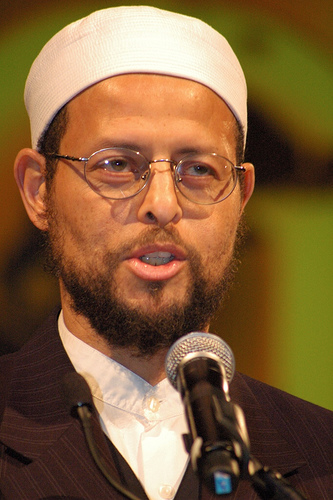
The Lawfulness of Muslim Revolutions

By Imam Zaid Shakir

As protests and defiance spread in Muslim countries, questions are being asked as to whether such conduct is halal.

As revolutions and uprisings sweep the Middle East and North Africa, most Muslims everywhere are energised by a wave of hopeful change in a region that has suffered far too long under the stultifying rule of “presidents for life.” However, some Muslims are more hesitant, and view the protests as unsanctioned rebellions against legitimate rulers.
To begin to analyse the current situation, each of the movements in the various affected countries would have to be assessed on a case-by-case basis. Conditions in each country are unique, and therefore any blanket statement would be inaccurate and irresponsible. What follows are some considerations that would have to be part of any meaningful discussion of the Islamic legitimacy of the various movements that can potentially reshape the political map of the Middle East.
Firstly, we have to bear in mind that classical treatises and writings dealing with Muslim political theory will not give us the entire answer to the question of the Islamic legitimacy of the ongoing uprisings in the Muslim world. This is because those writings occurred in a socio-political environment that differs from the current one. Especially significant is the advent of the modern nation-state, and its associated concepts of state sovereignty, legitimacy, allegiance, citizenship, the social contract and the national interest. Each of these concepts, in the modern setting, differs from its pre-modern conceptual counterpart, or was unknown at the time. Hence, the writings of pre-modern Muslim scholars, no matter how brilliant, cannot give us full insight into the social, political and cultural issues that Muslims are currently dealing with.
Secondly, the nature of the neo-colonial arrangements that prevail in many Muslim nation-states, where a “comprador bourgeoisie” “manages” the indigenous masses on behalf of a foreign power renders the entire question of the legitimacy of the state a controversial point. In other words, if the state is merely a front for foreign control, and the policies it pursues are oriented to serve the interests of a foreign elite first and foremost, it is meaningless to discuss the allegiance people owe to the state without asking a deeper question. Namely, if in reality allegiance to the state is a sort of de facto allegiance to a foreign non-Muslim power, how can questions of allegiance to the state have any definitive meaning or relevance from an Islamic perspective?
A third issue of significance is the hegemonic nature of the modern state and its ability to exert control over the lives of its citizens in ways that were inconceivable at the time medieval Muslim political theorists were writing. Generally speaking, the modern state controls the economic life chances of its citizens; it defines the parameters of political participation; it controls the scope and nature of education; it can intrude almost at will into the private lives of its citizens; it can determine the conditions of mass incarceration (ie. the Japanese Internment Act, or the current Drug War in the USA) and, if it chooses, it can tyrannise the citizenry with impunity as, by definition, the state monopolises the legitimate use of force in the society it presides over.
The upshot of the preceding passage is that the expanded reach of the modern Muslim state demands an expanded basis for defining allegiance and legitimacy. In earlier times, when the lack of information and security technology limited the scope of state power, it was natural to limit the scope of state legitimacy to questions revolving around primarily religious issues. However, the deepened reach of the state demands that examination of legitimacy and allegiance begin considering questions such as economic security, political participation, and basic human dignity along with related matters. If these issues are motivating Muslims who are challenging the legitimacy and efficacy of their states, they have to be considered by the religious scholars and authorities who are assessing the appropriateness of those challenges.
When we do consider existing Muslim writing on these issues, there are caveats that normally escape discussion. Let us consider, for example, the issue of the legitimacy of revolt against an established “Muslim” ruler. There are those who claim that any rebellion against a Muslim ruler is unsanctioned. However, we do not find this opinion in the writings of the traditional scholars. This opinion is close to the conservative Sunni view. However, even the Sunni view is conditional, and rebellion is sanctioned in the case of the ruler openly rejecting Islam or sanctioning laws or practices that violate accepted Islamic laws or principles, and it is not feared that a greater tribulation will befall the believers should they rise up.
This Sunni position, which gives priority to stability over justice, evolved over time and is informed by well-known historical realities. However, it is not universally accepted among the Muslims. The Shi’a and the Mu’tazila both hold that a rebellion in the pursuit of justice is lawful, and even encouraged in some instances. This is particularly the case when the injustices being challenged are clearly unsanctioned by the laws or principles of Islam. Hence, the scholarly consensus needed to declare the current protests as absolutely forbidden is lacking.
Similarly, a simplistic application of the verse, “If two parties of the believers fight each other make peace between them…” (49:9), to challenge the protests would be difficult in places like Egypt, because two parties amongst the believers were not fighting each other. The protesters were non-violent in their actions and intent. Any violence was initiated by the supporters of the government, or the state security forces, while during the periods the protesters resorted to violence it was clearly in self-defence. As soon as the violence against them abated, they returned to their non-violent ways. Their peaceful protest was guaranteed by Article 54 of the Egyptian constitution, while Article 57 clearly condemned as unconstitutional the violence the pro-Mubarak goons were employing against them. Hence, to declare their movement as illegitimate would be difficult from either an Islamic or a constitutional basis.
This brings up a related point. In that the protesters were speaking out against the excesses of tyrannical, authoritarian powers, they are engaging in the best Jihad. The blessed Prophet mentioned, “The best Jihad is a just word in the face of a tyrannical ruler.” In light of this hadith, what Islamic argument can validly be made to deny the people their right to speak out against the tyranny of their rulers?
Others argue that these rebellions are sowing the seeds of instability in the region. It should be borne in mind that the seeds of instability are sown by the governments themselves and the rapacious elites and foreign powers that benefit from their rule. The political repression of the people and their economic exploitation is the source of any instability, not the action of those protesting against the abuses. The protesters are themselves the fruit of the seeds sown by the ruling elites. Hence, any efforts to identify the source of any instability must go to the source of that instability and not focus on its effects.
Finally, we can add that as Muslims we should not see ourselves as being eternally trapped in a world where we are the helpless objects of the actions of others who have constructed institutions that are antithetical to our values and interests. The nation-state system in the Muslim world is less than one hundred years old. As an institution, it has debatable legitimacy and authenticity according to Muslim political thought. The way its socio-political role in Muslim societies has evolved has been shaped by un-Islamic realities such as colonisation and the Cold War, and by un-Islamic institutions such as the International Monetary Fund, the World Bank and now the World Trade Organisation. To declare this arrangement beyond question, criticism or challenge is not only unjust, it is a betrayal of Muslim history.
This is an issue that requires an analysis beyond the limited space available here. We pray that God blesses the people of Tunisia, Egypt, Libya, Yemen and elsewhere to fulfil their aspirations to enjoy a dignified existence in lands where the nobility and honour conferred upon them by God is celebrated and cherished.

Monday, January 10, 2011

Sudan Set For Split


Entah mengapa aku teringatkan kisah Tanah Melayu dan Singapura.

Rakyat Sudan di sebelah selatan telah keluar beramai-ramai untuk mengundi.

Lebih 40 ulama Islam termasuk Dr Yusuf Qardawi telah memfatwakan tidak harus (HARAM) hukumnya bagi umat Islam mengundi untuk mengeluarkan Selatan Sudan. Agenda Barat adalah jelas untuk memecah-belahkan kekuatan negara Islam paling luas di benua Afrika ini.

Di sebalik keghairahan umat Islam di Malaysia dengan tahun baru 2011 dan AJL semalam, adakah yang masih peduli?


Dari website BBC
Huge numbers of Southern Sudanese have been voting in a landmark referendum on independence from the north.
The week-long vote is widely expected to result in Africa's largest country being split in two.
Amid scenes of jubilation, south Sudanese leader Salva Kiir said: "This is an historic moment the people of Southern Sudan have been waiting for."
The poll was agreed as part of the 2005 peace deal which ended the two-decade north-south civil war.
The leaders of the mainly Muslim north have promised to allow the potential new country, where most people are Christian or follow traditional religions, to secede peacefully.
The BBC's Will Ross in Southern Sudan says he has not met a single person who says they will vote in favour of continued unity with the north.
But President Omar al-Bashir has warned an independent south would face instability.

Long lines of people began waiting to vote well before dawn, as Southern Sudanese turned out in droves to decide whether or not to seek independence.
"We watched the light of the sun rise up this morning - the dawn of a new chapter for the south," said Paul Nduru, a teacher who had been waiting from midnight.
There was a carnival atmosphere, with people waving the Southern flag, as dancers and drummers beat out tunes.
Red and white tape marked out the lines for the queues, with celebratory party balloons tied alongside.
Many people queued up to vote long before polls opened.
"My vote is for my mother and father, and my brothers and sisters who were murdered in the war," Abraham Parrying told the BBC as he waited to vote in the southern capital, Juba.
"I also vote for my children-to-be - if God grants me that - so that they can grow up in a south Sudan that is free and is at peace."
Another voter, 36-year-old soldier Maxine About, said he had "seen the inside of war so we have to stop the war now".
"We are very happy the Arabs are going away," he told the Associated Press.
Voting had been due to end at 1700 local time (1400 GMT) but polling was extended in many Juba polling stations because of the long queues.
Southern Sudan has high levels of illiteracy so voters are faced with two symbols on the ballot paper - a single hand for independence or two clasped hands to remain one country.
On Saturday, Mr Kiir said the referendum was "not the end of the journey but rather the beginning of a new one".
He was speaking in Juba alongside US Senator John Kerry, who has been in talks with both northern and southern leaders attempting to smooth the voting process.
Mr Kiir, who was the first to cast his ballot, urged people to "be patient", in case they were not able to vote on the first day of polling.
Veronica De Keyes, head of the the European Union observer team in Juba, said voting appeared to have started well.
"What I observed this morning was very moving in the sense that you can feel it, in the crowd, the expectation of the people is important," she said.
"It's very, very well organised. People are queuing very quietly so far and I hope it reflects what is happening in the country today."
However, the run-up to the vote was marred by an attack by rebels on Southern Sudan's military in the oil-rich Unity state.
Col Philip Auger, a military spokesman, told the Associated Press on Saturday that his troops had retaliated and killed four of the rebels.
UN officials confirmed that they had received reports of an attack in the area, but did not say which side had suffered the fatalities.
There are also reports of clashes between southerners and Arab nomads over grazing rights for their cattle in the disputed oil-rich region of Abyei, long seen as a potential flashpoint which could trigger wider violence.
It was due to hold a separate referendum at the same time on whether to join north or south Sudan but this has been postponed indefinitely as the two sides cannot agree on who is eligible to vote there.
EU-style bloc?
In an interview with the Arabic news channel al-Jazeera, Mr Bashir said he understood why many southerners wanted independence, but he expressed concern at how the new nation would cope.
"The south suffers from many problems," he said.
"It's been at war since 1959. The south does not have the ability to provide for its citizens or create a state or authority."
Mr Bashir said southerners living in the north would not be allowed dual citizenship, and floated the idea of the two nations joining in an EU-style bloc.
He also warned that if southerners seized Abyei for themselves, it could lead to war.
Analysts say Mr Bashir is under intense pressure from northern politicians, who fear that secession of the south may lead to a further splintering of the country, in particular the western region of Darfur which has faced its own rebellion since 2003.
North and south Sudan have suffered decades of conflict driven by religious and ethnic divides.
Southern Sudan is one of the least developed areas in the world and many of its people have have long complained of mistreatment at the hands of the Khartoum government.
Earlier this week the official in charge of the referendum commission, Chan Rene Madut, said the region was attempting "something that has never happened".
"Nobody ever bothered to ask the people of Southern Sudan as to what their destiny should be," he said.
Turnout in the referendum will be important, as the 2005 peace agreement stipulates that for the vote to be valid, 60% of the 3.8 million registered voters must take part.
The official result is not due to be announced for at least four weeks, partly because of the logistical difficulties gathering the ballot papers from across a region the size of France and Germany which has no paved roads linking its towns and cities.


Friday, November 05, 2010

On Hajj and The Two Sanctuaries


We'll be welcoming the month of Zulhijjah, all praise to ALlah!

Of course when we mentioned the blessed month, we'll always remember the ibada of Hajj (major pilgrimage) and the two sacred land, Makkah and Tayba (Madinah). I watched few programmes on RTM about pilgrimage this year. I hope I can be one of the selected few people that are honored to be the guest of ALlah, visiting His sacred sanctuaries.

Last year, somebody told me about 'Hajj' Medical team send by KKM to work in Makkah during hajj season. I filled the form, but never return it back. What a mistake! One of my close friend was selected to go this year!

For all future 'Haji' and 'Hajah', I would like wish them well and may ALlah SWT accepted your Hajj (mabrur) and may all of you return in good health with increased iman and taqwa.

Please remember that Makkah and Madinah are not like ordinary town or city or any land in this universe. They are not owned by anybody except Allah SWT. Some scholars advise us to treat the two sanctuaries like our mother. Love and respect the land like the Prophet did.

Once, Ottoman Empire ruled over Arabia. The great Sultan Selim I annexed the Memluks of Egypt and automatically, he became the ruler of Haramayn. Selim I did not take control of Makkah and Madinah by force. After the Memluks defeat, Sharif Barakat, the governor of Makkah and a vassal of Memluks sultan expressed his allegiance to Selim I. He sent his son, Abu Numay to deliver keys of Makkah and Madinah, as well as the sacred relics, belonging to the Prophet Muhammad (peace and blessing be upon him!) to the pious sultan.

Abu Numay was welcomed ceremoniously in Cairo on Friday, July 3, 1517. Three days later Sultan Selim received him personally. The governor of Makkah, Sharif Barakat was allowed to keep his post and the sultan honoured him by presenting him with a valuable robe. Even though Hijaz became a province of Ottoman state, its flag was not flown over the fortress at Makkah and Madinah, out of respect for Ka'ba and the Prophet. Centuries later, the Ottoman flag was flown in the two cities for diplomatic purposes; in Madinah during the reign of Sultan Abdul Aziz and in Makkah during the reign of Sultan Abdul Hamid II.
The 220-year old al-Ajyad Fottress built by the Ottoman to defend Makkah, demolished by Saudi government in 2002


The Turks continued to show love and reverence to the two cities. Hijaz was continued to be ruled by commanders from Ahl-Bayt families, but they were appointed in Istanbul. An officer was sent from the Ottoman capital to help administer the province but they were called 'muhafiz' (guard) rather than governors.

So, what we can understand now is;
  1. Ottoman Empire was not the conqueror of Haramayn. They are the 'guard' or 'khadim'
  2. They are not interested to exercise authority over the two Sanctuaries, except for the benefits of all Muslim. The two cities were ruled autonomously by Sharif families.

During the First World War, with the threat from British and the rise of Wahabism, the Ottoman felt that they were unable to defend the Holy Sanctuaries. Decision was made to evacuate the city of Makkah and Madinah. For centuries, the Sultans and their royal families from Istanbul had been sending gifts for the two Holy Mosques in Hijaz. To prevent loss and damage (and looting), the relics were all transferred to Istanbul, now safe in the Chamber of Sacred Relics (Hirka-i Saadet Dairesi) in Topkapi Palace.

Perhaps we can feel and sense the love and reverence showed by the Ottoman Turks that time regarding the two cities. One of the lieutenant of the Ottoman army, Idris Sabri who was involved in the evacuation process wrote a beatiful poem, reflecting the feelings of the soldiers defending the cities.


You Are Our Master in Both World

You were a ruler; we came under your command
You are our king; promised from eternity
We were just a few, we have realized our goal with you
You are our Sultan in both worlds

We have forgotten our past kings
You are the pupil of our eyes
Forgive us our mistake, o intercessor
For the sake of our thousand-year strive

We have transgressed much, no good deeds we have
We have become spoiled, counting on your nearness
We are rich at heart but not covetous
A morsel for your intercession would suffice for us

Almost no one will listen to, alas!
Our wish so pure
In spite of your illiteracy, O Messenger of God
You are the only one to read our heart


Rosewater flasks have dried
Our tears haven't stopped; mercy!
The cinders of incense burners have cooled
Hearts are burning with your love

No poets of ours like Labid, or Hassan
And no poem do we have like Burda or Mu'allaqa
Except for history written,
By the Ottomans with rubies in red.

Cannot live without you, the children of Ertugrul
Turks will give up their lives but not the beloved
We are eternally servants of Haramayn
Even if we die, our souls will guard your tomb!

(From The Book of Sacred Trust)


May all of us have the same love and feelings for the Prophet and for our Holy cities like what shown by our Ottoman brothers hundred years ago.

Saturday, October 30, 2010

Merapi dan Kraton Yogjakarta


26 Oktober lalu, Gunung Merapi meletus lagi di Pulau Jawa. Korbannya seorang wanita, Mbah Maridjan dan sekarang mangsa letusan sudah meningkat naik melebihi 300 nyawa. Takziah kepada warga Indonesia yang kehilangan ahli keluarga kerana 'amarah' Gunung Merapi.

Bagi yang tidak mengenal Merapi, gunung berapi paling aktif di dunia ini letaknya di persempadanan Jawa Tengah dan kota Yogjakarta. Apa yang menarik, meskipun kota Yogjakarta terletak tidak begitu jauh dari gunung ini, kota Yogjakarta seolah-olah 'terpelihara' daripada bahana asap letusan Merapi. Berita yang aku baca hari ini mengingatkan aku kepada kota kebudayaan Jawa ini.

"ALTHOUGH Mount Merapi is only 30km from Yogyakarta, its 400,000-strong population is going about business as usual.
The Javanese believe that they are protected by divine powers from the kraton, or sultan's palace, which is located in the city centre.

The city was built on land that was formerly the sultan's sole domain and, as absurd as it may seem, this belief has some strong points to support it.

Despite its proximity to Mount Merapi, ashes from the volcano eruptions, which started on Tuesday, have not reached the city -- yet.
Local media reported that ashes from Mount Merapi had fallen in Semarang, 100km from the volcano. Ashes have also fallen on Cilicap, 250km from Mount Merapi and at the Borobodur temple, which is hours away by car from Yogyakarta.

"Yogyakarta city has been blessed for years by the divine power of the kraton. Even during Mount Merapi's eruption in 2006, no ashes fell here," said Trihandono, 37, adding that certain rituals had to be followed to keep the disaster at bay.

This time around, Trihandono said they had to cook and eat 17 types of vegetable dishes. "

Berita ini memetik kenyataan penduduk yang percaya bahawa kota tersebut dilindungi kerana keistimewaan pada Kraton atau istana Kesultanan Yogjakarta. Yogjakarta adalah bandar yang agak istimewa di Indonesia. Ini kerana wilayah ini adalah satu-satunya provinsi yang diberikan keistimewaan untuk diketuai oleh seorang Sultan atau raja.

Kerajaan Yogjakarta adalah serpihan daripada kerajaan Hindu Mataram yang pernah tegak di Jawa Tengah. Candi Borubodur adalah manifestasi kegagahan empayar Hindu ini.


Pada tahun kurun ke 18, berlaku peperangan saudara di antara Putera Mangkubumi, pewaris kerajaan Mataram dan saudaranya Pakubuwono II. Mangkubumi lebih muda daripada saudaranya Pakubuwono. Antara sebab utama penentangan Mangkubumi terhadap Pakubuwono ialah kerana abangnya bersekongkol dengan Belanda (Syarikat Hindia Timur Belanda: V.O.C) untuk menjadikan tanahair mereka sebagai tempat eksploitasi sumber bumi dan hamba abdi. Pada zaman tersebut, hamba-hamba dari Jawa dieksport ke negara-negara jajahan Belanda seperti Surinam untuk tujuan ekonomi.

Mangkubumi yang tidak sanggup berkompromi dengan dasar-dasar memperhambakan pribumi lantas bangkit dan menyusun strategi memerangi abangnya sendiri. Dibantu oleh Raden Mas Said, Mangkabumi memenangi beberapa siri pertempuran di Demak, Grobogan, dan Bogowonto. Pakubuwono mati pada tahun 1749 dan pada tahun 1751, tentera Belanda di bawah De Clerk ditumpaskan di Bogowonto. Mangkubumi menjadi raja dan mengambil gelaran Hamengkubuwono I.

Kejayaan dan keberanian sang putera ini menjadikan Sultan Yogjakarta dan waris keluarganya satu simbol perlawanan dan perjuangan menentang kaum penjajah. Mereka dihormati dan disayangi hinggalah sekarang. Bahkan, atas dasar inilah kerajaan Indonesia mengurniakan status 'Special Region' kepada Yogjakarta. Keluarga diraja masih berperanan besar dalam pentadbiran dan pemerintahan wilayah ini.


Jika ke Yogjakarta,Kraton Ngayogyakarta Hadiningrat masih utuh. Jika dibandingkan dengan istana-istana kesultanan lain di Timur Jauh atau Eropah, Kraton ini nampak sangat 'simple.' Tiada mahligai atau barang kemasan mewah yang keterlaluan. Tidak seluas Versailles di Paris atau semewah Dolmabahce di pinggir Bosphorus. Tidak juga 'segila' istana Neuschwanstein milik Raja Ludwig di tengah Bavaria.Istana ini mungkin membayangkan peribadi keluarga diraja Yogjakarta yang begitu rapat dengan rakyat jelata.

Mudah-mudahan Allah SWT mengurniakan keselamatan kepada saudara-saudara kita di Indonesia daripada malapetaka seperti gempa bumi, letusan gunung berapi atau tsunami.


Tuesday, October 26, 2010

Darul Mustafa Malaysia

Hari ini, aku berjumpa dengan teman dan guru, Ustaz Fauzi Hadrami di HKL. Sudah beberapa tahun tidak berjumpa, sepatutnya banyak perkara yang mahu dibualkan. Tapi aku terpaksa bergegas untuk ke ICU kerana kerja yang masih tidak berkesudahan.

Dalam masa yang singkat itu, kami sempat juga bertanya-tanya khabar. Beliau kini di KUIS, jadi tenaga pengajar. Kami sempat berbual tentang kedatangan Habib Umar ke tanahair tempoh hari.Semasa kemuncak sambutan Haul Imam Haddad di Shah ALam, Ustaz Fauzi tidak hadir. Beliau menceritakan bahawa pada sebelah siangnya, Habib Umar dan beberapa anak muridnya bermesyuarat tentang satu agenda yang sangat penting: penubuhan Madrasah Darul Mustafa di Malaysia.

Buat masa sekarang, madrasah ini akan berteduh sementara di Madras an-Nur sebelum lokasi dan bangunan sebenar madrasah didirikan. Yang paling penting, para Habaib dan Masyaikh dari Yaman akan dibawa untuk menjadi tenaga pengajar di sana kelak. Di Malaysia, memang terdapat banyak sekolah-sekolah pondok dan madrasah-madrasah tradisional. Kebanyakannya di negeri Kelantan, Kedah, Pualau Pinang dan Perak. Sistem pengajian pula, terutama di Kelantan mengikut acuan pondok-pondok di Fathani Darul Salam. Pengaruh madrasah-madrasah di Mekah juga begitu ketara memandangkan kebanyakan tok guru pondok mendapat pendidikan formal di sana.

Penubuhan Madrasah Darul Mustafa ini diharapkan akan mengeratkan lagi hubungan keilmuan dan keimanan umat Islam Malaysia dengan saudara-saudara kita di Yaman, khususnya Hadhramawt. Tidak dapat disangkal lagi, Islam tersebar ke Nusantara dengan kegigihan alim ulama dan saudagar dari Tanah Arab, terutamanya dari Yaman sejak sebelum zaman Kesultanan Melayu Melaka lagi. Oleh itu, tidak hairanlah umat Islam di Malaysia bermazhab Shafi'i dan mengikut mazhab aqidah Imam Asha'ari, seperti umat Islam di Hadramawt. Madrasah Darul Mustafa ini diharap dapat menawarkan ruang alternatif dalam pendidikan Islam secara tradisional seperti model sebenarnya di Tarim, Hadramawt. Pembukaannya pasti ditunggu-tunggu oleh para pecinta ilmu dan ulama di tanahair.

-------------------------------------------------------------------------------------------------------------------------------------

Ustaz Fauzi kini akan membuka satu kelas pengajian di Kuala Lumpur.
Selepas musim haji, beliau akan mengajar di masjid/pusat tahfiz yang terletak di belakang bangunan NAZA di Kg Baru.
Ada beberapa kitab yang akan diajar (masih dalam pertimbangan):

1) Hadith: Kitab Sahih Bukhari
2) Tasawwuf: Minhaj Abidin oleh Imam Ghazali
3) Fiqh: Minhaj at-Talibin oleh Imam Nawawi.

Bagaimanapun, pengajian ini disasarkan untuk para imam atau kiyai yang sudah ada 'basic ' dalam pengajian Islam. Kitab 'Minhaj Talibin' misalnya, adalah kitab fiqh mazhab Shafi'i peringkat tinggi. Kelas akan diadakan hari Jumaat malam Sabtu. Mudah-mudahan diberikan taufiq oleh Allah SWT untuk hadir nanti!


Friday, September 10, 2010

Amalan Sunat Hari Raya: Fatawa al-Hindiyyah

Selamat Hari Raya Eidul Fitr!

Semoga Allah menerima semua amal kita yang ditunaikan pada bulan Ramadan yang baru berlalu.
Hari Raya pertama, jangan lupa ke masjid untuk solat Subuh dan solat sunat Eidul Fitr.
Di bawah ini ialah petikan dari blog www.daralhadith.org.co berkenaan amalan-amalan sunat yang digalakkan pada hari raya. Fatawa ini dikumpulkan oleh ulama-ulama mazhab Hanafi di India pada zaman pemerintahan Maharaja Moghul Aurangzeb.

The authors of the ‘Fatawa al-Hindiyyah’ (1/165) in “Chapter 17 – Regarding The Two Eid Prayers” outline some of the desirable acts for the day of Eid as the following:
“It is desirable (mustahab) on the day of Fitr for a person to bathe, use a toothstick and wear their best clothing as mentioned in ‘al-Quniyah’, whether they are new or (K:old clothes which) have been washed as mentioned in ‘Muhit al-Sarakhsi’.
It is desirable to wear a ring and apply perfume, tabkir - which is to wake early, ibtikar -which is to hasten to the prayer area (مصلى), to give charity (sadaqat ul-fitr) before the prayer, to offer the morning prayer in the masjid of ones area, going out to the prayer place (مصلى) walking and to return via another route as mentioned in ‘al-Quniyah’.
There is no harm in riding to the Friday (Jumah) prayer and the two Eid prayers, however walking is superior in relation to the one who is able to do so as mentioned in ‘al-Zahiriyah’.
It is desirable in the Eid al-Fitr to eat before going out to the prayer place (مصلى) three, five or seven dates more or less as long as they are an odd number, and if they are not available then that any sweet thing that he wishes as mentioned in ‘al-Ayni Sharh al-Kanz’.
If he does not eat before the prayer he is not sinful and if he does not eat after it all the way to Isha, then perhaps he will be sinful[1] for this. Al-Adha is like al-Fitr in these matters except that he refrains from eating until he offers the Eid prayer as mentioned in ‘al-Quniyah’.
And in ‘al-Kubra’ it is mentioned that: Is eating before the prayer on the day of Adha disliked (makruh)? There are two narrations regarding it. The chosen one is that it is not disliked however it is desirable that he does not do so…
Going out to the Eidgah for the Eid prayer is recommended (sunnah) even if the Jami Masjid can accomodate them all, upon this are the generality of the scholars. This is the correct view as mentioned in ‘al-Mudmirat’…
A person should go out walking to the prayer area with tranquillity and reverence, lowering their gaze from all that should not be seen as mentioned in ‘al-Mudmirat’.
To recite the Takbir loudly on route in the al-Adha and to halt it when he reaches the prayer place, and this is the view which has been adopted.Iin al-Fitr the chosen view of the madhab is that he does not recite loudly and this is the adopted opinion as mentioned in ‘al-Ghiyathiyyah’, as for reciting silently then it is desirable as mentioned in ‘al-Jawharah al-Nayyirah’.
Issue 7: Optional (nafl) before the Eid prayer is absolutely disliked whether it be in the Eidgah or at home, whether the Eid prayer is compulsory on them or not, to the point that if a woman wishes to offer the Chasht prayer at home she should pray after the Eid prayer has been offered. To offer optional prayers after the Eid prayer is disliked in the Eidgah, however, he may offer them at home rather it is desirable that he offers four rakahs. These rulings are related to the elite (khawas) if the common people (awam) offer nafl before the Eid prayer even in the Eidgah they will not be forbidden. (Dur al-Mukhtar, Rad al-Muhtar 1/777,779)
Addendum: [Regarding the rulings related to optional (nafl) prayers on the day of Eid]
Mawlana Amjid Ali al-Azami details the following in his Hanafi Fiqh compendium ‘Bahar al-Shariah’ volume 4:
Issue 7: Optional (nafl) before the Eid prayer is absolutely disliked whether it be in theE idgah or at home, whether the Eid prayer is compulsory on them or not, to the point that if a woman wishes to offer the Chasht prayer at home she should pray after the Eidprayer has been offered. To offer optional prayers after the Eid prayer is disliked in the Eidgah, however, he may offer them at home rather it is desirable that he offers four rakahs. These rulings are related to the elite (khawas) if the common people (awam) offer nafl before the Eid prayer even in the Eidgah they will not be forbidden. (Dur al-Mukhtar, Rad al-Muhtar 1/777,779)

[1] Al-Azami in his ‘Bahar al-Shariah’ uses the term عتاب meaning the person would be reproached or deserving of blame, whilst the edition of the ‘Fatawa al-Hindiyyah’ referred to uses the term عقاب which has been translated above. As is evident both words have a similar spelling in Arabic which is open to the possibility of being misread by scribes or typists and thus leading to a difference of meaning, and Allah (Most High) knows best.

Saturday, July 31, 2010

Back to KL (for good)

Doing a major housekeeping exercise today.Monday will be a new day for me.All this while, I'm doing the referral jobs to tertiary centre.Now, I'll be in the busiest and the biggest referral centre in the country.God bless...

The good thing about going back to KL for good is returning to my own family home.Plus now it's handy to participate in any courses or religious classes around KL.

By the way, I would like to congratulate Kojek and Shira for their wedding today.Will be attending their reception in De Palma Hotel tonight.

BarakAllahu lakuma wa jama'a bainakuma fi khair!

Friday, June 18, 2010

Java

I'll be leaving PD soon, the exact date will be on the 2nd of August. I'll be reporting to GHKL, unsure of which department. To be frank, I'm in dilemma. I haven't make up my mind for my specialty training. Is it going to be Medical or perhaps Oncology?I really don't know.

I spent about ten days last month visiting Java, Indonesia. Jakarta-Bandung-Jogjakarta-Borobudur-Surabaya. The early part of the travel was traumatic. There were 4 of us but we were reduced to 3 when one of our friend lost his passport and wallet in LCCT, Nilai. Not a very pleasant start indeed, having to fly without the person that planned the whole trip. At the end, it's onlyme, Jhaznarul and Syahir.(We are so sorry, Acap!)

It's an eye-opener trip. Even though we share the same roots (Malays), the same region (Malay Archipelago), I hardly know about Indonesia or Indonesians. When I was young, I always thought Indonesians are all poor and they are wandering across the globe to earn money. Some of them, especially in Malaysia turn up to be bandits, robbers etc for the sake of getting money to send back home.Sitting and having meals in posh Grand Indonesia in the heart of Jakarta, I think otherwise now. Indonesia is not a poor country.But she is poorly managed. When I was boarding train from Jakarta to Bandung, I can see how urbanization had ruin the charm of Java. Squatters with densely packed houses are common alongside the railway. If you compare it with areas downtown Jakarta, you must feel the tremendous social distant between the rich and poor.

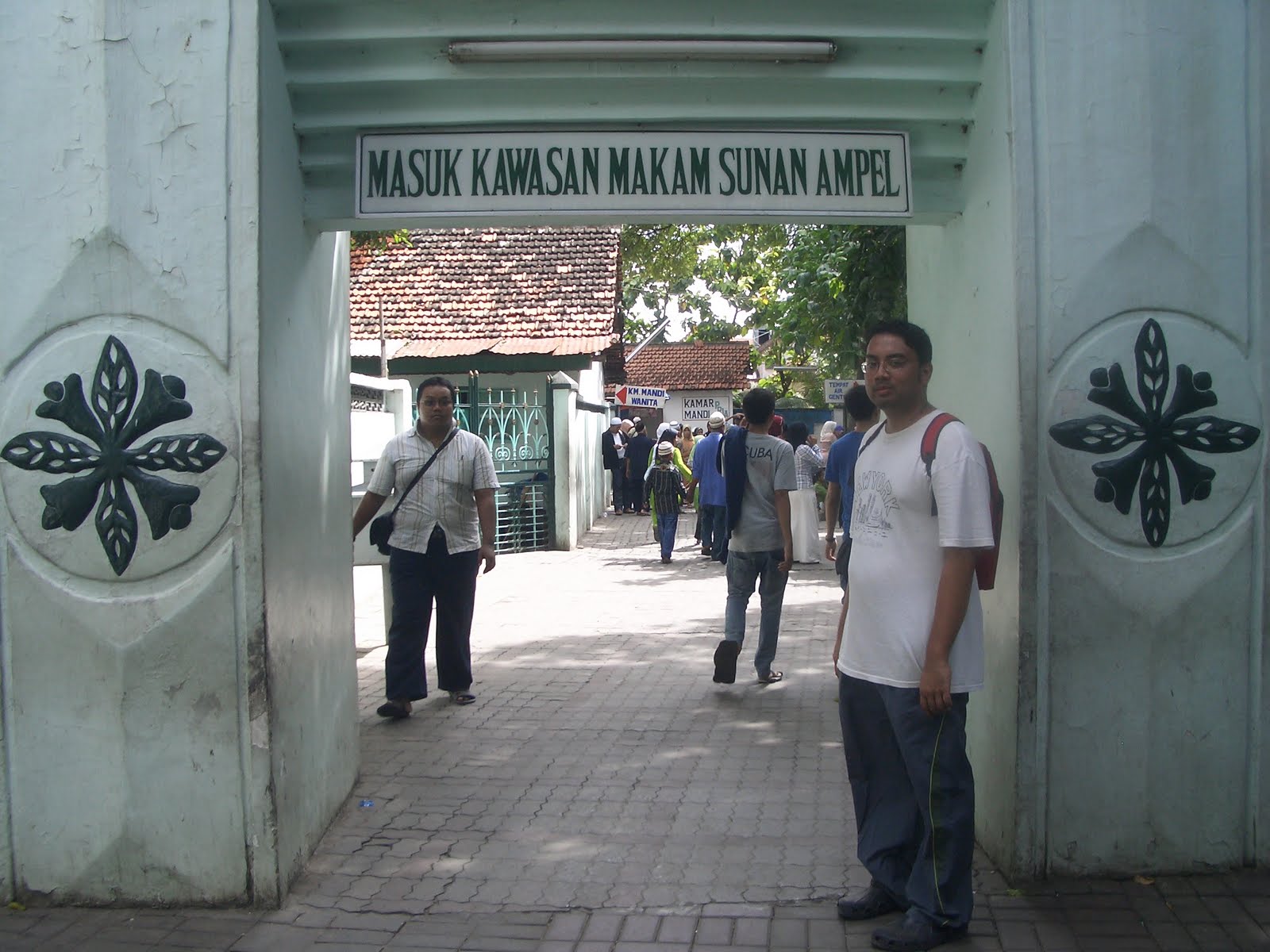
I regretted that we missed the trip to Gerisik, Demak and Solo. I got a friend studying medicine in Solo. And in Gerisik, the burial place for 2 of the famous saints of Java including Maulana Malik Ibrahim and Sunan Giri. But we did manage to visit the tomb of Sunan Ampel in Surabaya.


Visitors in Masjid Sunan Ampel
Makam Sunan Ampel, Surabaya
The entrance

Masjid Istiqlal, Jakarta


House of Soemporna, Surabaya
The workers preparing the 'kretek'
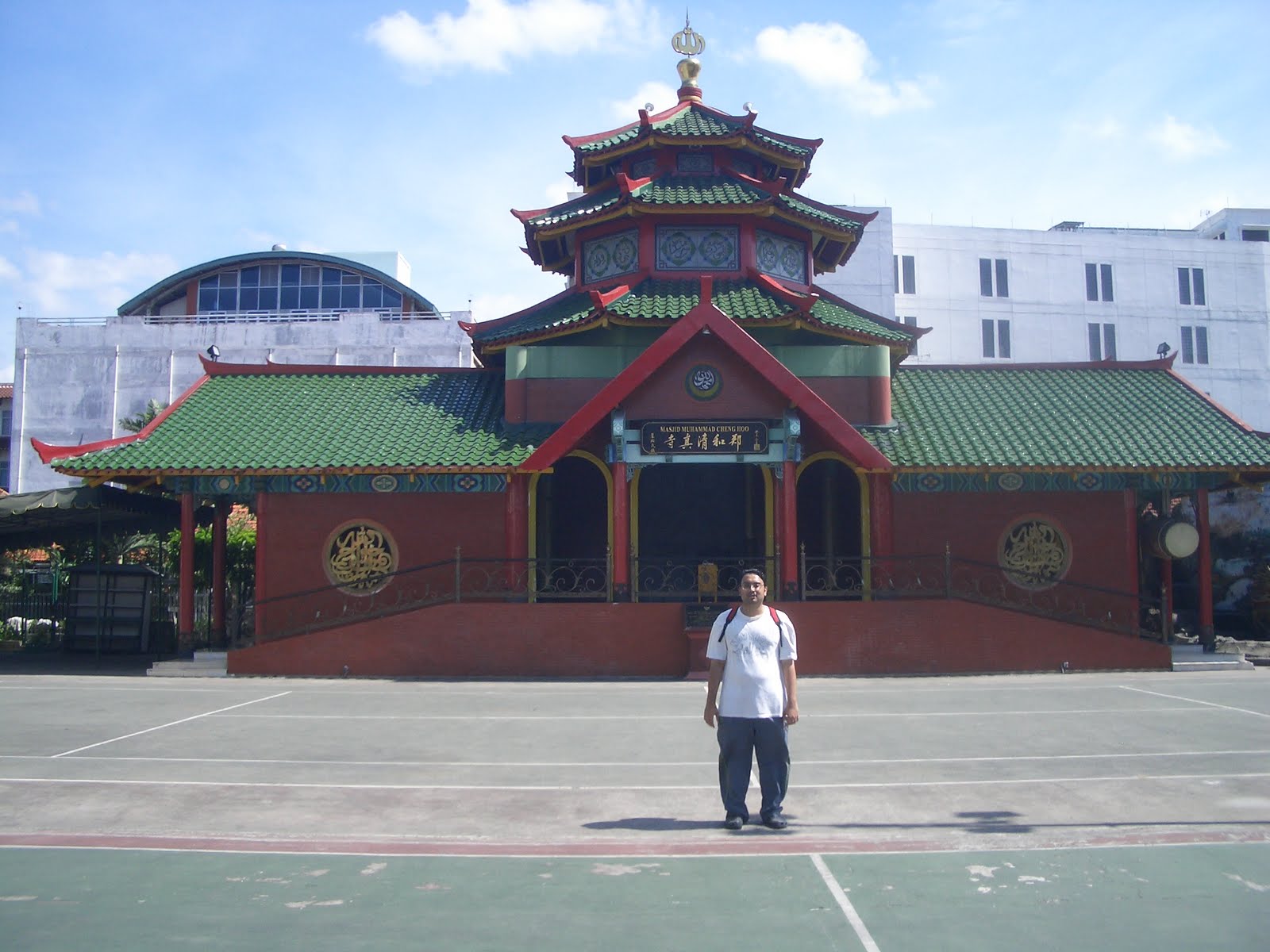
Masjid Cheng Ho, Surabaya
Kraton Palace, Jogjakarta
The volcanic crater of Tangkuban Perahu

Tangkuban Perahu, near Bandung


Gedung Sate, Dutch administration building in Bandung


Borobudur, Mataram empire greatest candi


Monday, February 08, 2010

Dunia Tanpa 'Common Sense'

Bila kita menyebut perkataan 'common sense', commonsense, common-sense, atau commonsensical, biasanya kita akan merujuk kepada sesuatu yang dipersetujui secara umum oleh masyarakat mengikut kefahaman natural. Maksudnya sesuatu yang difahami secara automatik meskipun tanpa kebijaksanaan yang tinggi atau sumber luaran termasuk ilmu wahyu.

Berhadapan dengan pesakit setiap hari, kita sebenarnya boleh menyukat sejauh mana masyarakat Malaysia mempunyai 'common sense'. Agak menyedihkan masyarakat kita (mungkin kerana sistem pendidikan yang hanya mementingkan hafalan semata-mata) telah kehilangan 'common sense' mereka, terutamanya di kalangan generasi muda. Kenapa saya membangkitkan perkara sebegini? Ada beberapa misal yang boleh dikemukakan. Contoh-contoh kes yang datang ke hospital atau Jabatan Kecemasan mempamerkan 'common sense' yang cukup teruk di kalangan masyarakat terutamanya generasi muda.

1) Seorang pesakit datang pada pukul 2 pagi kerana sakit lutut yang sudah dialami lebih 2 tahun.
Bila ditanya, kenapa datang ke Jabatan Kecemasan pagi-pagi buta, jawapan yang diberikan ialah kerana waktu itu adalah waktu yang paling lengang. Meskipun berpelajaran tinggi, masyarakat kita gamaknya masih tidak tahu menggunakan akal. Tidakkah nama unit itu sendiri Unit Kecemasan dan Trauma? Apakah yang mencemaskan jika sakit-sakit atau sengal-sengal lutut sudah dirasai lebih dua tahun?Tidak bolehkah menunggu untuk ke klinik pada waktu pejabat?

2) Seorang gadis berusia belasan tahun yang menerima sms pada pukul 2 pagi dari teman lelakinya yang memintanya datang kerana kononnya kereta teman lelaki terbabit terlibat dalam kemalangan. Dengan rela, dia pergi ke tempat kejadian tetapi dibawa ke tempat lain lalu 'dikerjakan' bergilir-gilir oleh beberapa lelaki. Tidakkah si gadis ini faham yang dia sebenarnya menempa malang sendiri?Bukankah sesuatu yang sangat janggal jika seorang gadis keluar berseorangan selepas tengah malam?

3) Seorang lelaki yang mempunyai masalah jantung dan darah tinggi tiba-tiba mengalami sesak nafas dan sakit dada. Beliau tidak segera ke Jabatan Kecemasan sebaliknya ke klinik biasa yang tidak punya apa-apa mesin bantuan pernafasan ataupun balang oksigen. Akhirnya beliau rebah apabila sampai di hospital.

Masalah paling besar di Malaysia ialah sikap dan pengetahuan umum masyarakat yang sangat rendah terhadap kesihatan mereka dan sistem kesihatan negara. Ramai yang tidak tahu, bahawa sakit-sakit pening, demam, batuk atau selsema biasa tidak memerlukan rawatan di Jabatan Kecemasan. Kes-kes sebegini boleh dirawat di klinik-klinik kesihatan termasuk Klinik 1Malaysia. Sebaliknya, kes-kes seperti contoh 3 sepatutnya dibawa segera ke Jabatan Kecemasan kerana 'urgency' yang ada.

Setelah lebih 50 tahun merdeka, pengetahuan asas masyarakat terhadap tahap kesihatan masih belum dibanggakan. Dibandingkan dengan negara-negara maju, mereka lebih prihatin dengan masalah kesihatan sendiri. Di Canada misalnya, lebih 90% penduduk lebih gemar dan akan ke doktor panel mereka sendiri (GP) jika sakit bukannya terus ke Jabatan Kesihatan.Sikap rakyat Malaysia memburukkan lagi kesesakan yang ada di hospital-hospital kerajaan.

Pendidikan tentang kesihatan yang dilakukan kementerian juga caca-marba dan tiada objektif jelas. Bahkan iklan tentang H1N1 dan denggi sangat menakutkan dan boleh menyebabkab panik di kalangan masyarakat. Semasa kemuncak H1N1, Pak Menteri misalnya memberi saranan,"Jika ada tanda-tanda batuk, demam, selsema, segeralah dapatkan rawatan ke hospital atau klinik berhampiran." Pak Menteri yang tidak berapa cerdik ini tidak pula memperincikan ke manakah sebenarnya rakyat harus pergi?Adakah terus ke Jabatan Kecemasan atau ke klinik kesihatan dahulu? Statement tidak berotak ini menyebabkan Jabatan Kecemasan di semua hospital di seluruh negara menjadi sesak secara melampau. Di Selayang misalnya, lebih 1000 pesakit menunggu untuk rawatan dalam masa 7-8 jam dan kebanyakan mereka bukanlah kes-kes berat yang memerlukan perhatian serius.

Ahh...Penat sekali berkhidmat untuk rakyat Malaysia!


Thursday, November 19, 2009

Asri Charged

KUALA LUMPUR (Nov 18, 2009) : Former Perlis Mufti Dr Mohd Asri Zainul Abidin was today charged in the Gombak Timur Lower Syariah Court with teaching matters related to the religion of Islam without "tauliah" (authorisation) from Selangor Islamic Religious Council.


(L-R)Former Perlis MB Datuk Seri Shahidan Kasim talk with
Perlis Mufti Dr Mohd Asri Zainul Abidin at Gombak Timur
Syariah Court today.
Mohd Asri @ Abu Talib, 38, who is currently a Universiti Sains Malaysia (USM) lecturer, denied committing the alleged offence in a house in Taman Sri Ukay Ampang, Gombak, between 8.10pm and 9.45pm on Nov 1.

The charge carries a maximum RM3,000 fine or two years jail upon conviction.

Syariah judge Wan Mahyuddin Wan Mohamad granted RM3,000 bail with two sureties and set Jan 5 for a hearing. Asri, who was clad in a black blazer and songkok, posted bail.

When the case commenced at 9.15am in a packed court room, the charge was read out to Asri who said: "I plead not guilty, claim trial."

Selangor Syarie chief prosecutor Abdul Shukor Abdul Hamid applied for the case to be transferred to the Syariah High Court saying that a supporting affidavit was filed on Nov 12, stating the grounds for the transfer.

He said the application for the transfer was made through power vested under the laws to the Syariah chief prosecutor.

He said the case involved application of law and procedures that required views and accurate interpretations by an experienced judge and that the case received wide coverage involving an influential person.

However, Asri's lawyer Kamar Ainiah Kamaruzaman said the accused was only informed in the morning and that they had no opportunity to file a reply.

She also objected to the charge, saying it did not specify or had details for them to prepare a defence.

"It's blur. What is the meaning of teaching aspects related to religion of Islam without 'tauliah'?" she asked.


Zulkifli Noordin

Another lawyer Jamal Mohd Lokman Sulaiman, who is also representing Asri, argued that the supporting affidavit was filed on Nov 12 when the charge was only presented this morning.

He said the Lower Syariah Court judge was qualified to hear the case and if the case was tried in a Lower Syariah Court, the accused could appeal to the Syariah High Court and the Syariah Appeal Court.

"The fact that the accused is an influential person is irrelevent," he added.

Wan Mahyuddin then rejected the prosecution's application for transfer saying the prosecution had failed to state reasonable grounds.

He reasoned that a transfer to the High Court could only be allowed if the prosecution had reasonable grounds.

"Public interest is important and not individual interest," he said, adding that the case should be speeded up as a transfer would cause delays and delays could prejudice the accused.

"The grounds that he is influential is unreasonable for the case to be transferred to the Syariah High Court. The prosecution can have complete trust in this court to handle the case.

"In this court's view, the prosecution must be consistent, not referring to individual involvement. The accused being known to the public will not affect the delivery of justice," he said.

Wan Mahyuddin said hearing of the case in the lower court would also allow the accused to appeal to the Syariah High Court and Syariah Appeal Court.

Former Perlis Mentri Besar Datuk Seri Shahidan Kassim, Kulim Bandar Baru MP Zulkifli Noordin and Datin Paduka Marina Mahathir were also in the court premises.

Wednesday, October 15, 2008

Arifnya Orang Dulu-Dulu


Siapa bercakap kasar langgar,
malangnya banyak celakanya besar
Siapa berkara kasar langgar, budinya
rendah imannya longgar

Tanda orang tidak berbudi,bercakap
suka tinggi meninggi
Tanda orang berhati keji, bual
selangit cakap meninggi

Tanda orang buruk pekerti, bercakap
selalu membuang budi
Tanda orang tak berharga diri,
bercakap dengan membuang budi

Sunday, October 05, 2008

Krisis Sub-Prima Merupakan Kejayaan Kapitalisme


Article by Wan Saiful Wan Jan from Malaysia Think Tank, London


Mereka yang berhaluan Kiri dan golongan sosialis mungkin beraya besar tahun ini. Apa tidaknya. Amerika Syarikat sedang menghadapi ancaman krisis ekonomi yang hebat. Amerika Syarikat yang dianggap sebagai lambang kemegahan kapitalisme kini berada diambang keruntuhan ekonomi. Maka tidak pelik jika ramai yang terpengaruh dengan tuduhan golongan Kiri dan puak sosialis bahawa ini juga lambang keruntuhan kapitalisme.

Mereka sebenarnya tersilap.

Sosialisme merupakan satu fahaman yang membawa kepada campurtangan kerajaan dalam pelbagai hal termasuklah dalam urusan ekonomi. Golongan sosialis dan mereka yang berhaluan Kiri beranggapan bahawa tidak salah untuk kerajaan menubuhkan dan menjalankan syarikat perniagaan, ataupun menjadikan syarikat korporat sebagai hak milik negara. Mereka tidak teragak-agak untuk menggunakan wang rakyat untuk menyelamatkan (bail-out) syarikat-syarikat tertentu. Mereka menafikan keberkesanan sistem pasaran dalam menghukum dan membuang syarikat yang melakukan kesalahan.


Baca Seterusnya

Thursday, October 02, 2008

Raya II

Di Malaysia, sambutan raya dah jadi terlalu komersial. Aku rasa ramai sekali umat Islam yang tak reti apa maksud, hakikat dan realiti sambutan Eid ini. Majoriti orang kita hanya melihat sambutan hari raya cumalah sambutan 'kemerdekaan' daripada puasa Ramadan selama sebulan. Sebab itu, pembaziran dan hiburan begitu 'excessive' pada musim perayaan sebegini. Bila raya mesti ada baju raya, kuih raya, ketupat raya, rendang raya, langsir raya dan sebagainya. Sudah pasti bila unsur materialism menyelinap masuk dalam falsafah sambutan perayaan sebegini, pandangan kita sudah menjadi begitu kacau. Hari mulia yang sepatutnya dipenuhi dengan laungan takbir, tahmid sudah tepu dengna program-program hiburan yang melampau. Zaman aku kanak-kanak dulu, raya sentiasa meriah dengan kunjungan-kunjungan mesra terhadap ahli-ahli keluarga. Sekarang budak-budak termasuk bapak-bapak budak lebih selesa melongo di hadapan tv.

Apapun, raya kali ini dibayangi dengan keresahan rakyat. Resah terhadap inflasi yang melepasi 8%, kenaikan harga minyak, krisis ekonomi di US yang bakal melarat ke Asia, isu kerajaan 'lompat' Pakatan Rakyat yang masih menjadi misteri , penangkapan beberapa individu di bawah ISA dan macam-macam lagi. Secara jujur pada 16 September lalu aku sangat mengharapkan pertukaran kerajaan akan jadi realiti. Namun, apa yang berlaku adalah sebaliknya.

Raya di KL tahun ini agak membosankan. Memandangkan aku bercuti panjang, banyak masa dihabiskan untuk melayari internet. Tiba-tiba terjumpa klip dari Youtube yang menarik tentang calon Naib Presiden Amerika Syarikat. Patutlah dunia ini hura-hara. Calon-calon sebegini yang jadi pemimpin Ode Baru Dunia. Lantaklah.....


Tuesday, September 30, 2008

Raya


TaqabbalAllhu minna wa minkum!

Selamat menyambut Hari Raya 'Idul Fitr. Banyak-banyakkan bertakbir, bertasbih dan bertahmid pada malam dan hari mulia ini. Bagi yang balik ke kampung, pandulah dengan cermat. Tidak berbaloi pulang ke kampung halaman dalam keadaan tercedera atau kemalangan jiwa.

Saya akan bercuti panjang selepas hari raya ini. Insya Allah, saya akan mula berkhidmat di tempat baru, Negeri Sembilan mulai bulan November. Maafkan saya kerana sudah lama tidak mengupdate blog ini. Inilah pengalaman pertama berpuasa semasa bekerja. Dan pengalaman ini sungguh memenatkan. Saya punya banyak idea untuk dikongsi, malangnya kesuntukan masa. Sesiapa yang berada di sekitar Lembah Klang semasa musim perayaan ini, silalah ke rumah saya. Hidangan ala kadar tersedia.Salam lebaran dari saya sekeluarga.

Sunday, June 08, 2008

Photobucket
Malam itu, aku sedang on-call di Labour Ward. Jam menunjukkan pukul 1130 malam. Tiba-tiba, salah seorang MO aku memanggil aku;

" Shafiq, come here! There's a call from trauma. A lady 30 weeker (pregnant) delivered her baby in Kg Datuk Harun. Ambulance is ready. Since you are the most senior HO, go with the ambulance to her home."

Kg Datuk Harun tak jauh dari PPUM. Malangnya malam itu entah mengapa traffic jam berlaku dengan begitu dashyat. Ambulans tak bergerak-gerak di hadapan traffic light.

"Doktor Shafiq tak tahu ke? Pak Lah baru je naikkan harga minyak 78 sen seliter.Itu yang jam sepanjang malam!" kata pemandu ambulans di sisi aku.

Aduh! Baru aje plan nak pakai BMW. Sekarang patut tukar gaya hidup pakai Basikal BMX dulu. Dato Najib tentu setuju. Meskipun Datin Rosmah sudah belanja beribu-ribu. Gasak lah...